Dental sedation helps Fullerton patients get needed treatment without the tension that often delays care. At Pediatric Dentist Fullerton, we use age-appropriate sedation planning for children and teens, with a focus on comfort, safety, and clear instructions for parents. Many families from Fullerton, Brea, Placentia, and Anaheim choose sedation when routine dentistry feels too stressful or when a longer visit needs a calmer experience.
As of April 2026, Dental Sedation in Fullerton, California helps children and teens stay relaxed for dental visits that would otherwise feel overwhelming. It can be used for anxiety, sensitive gag reflexes, extensive treatment, or difficulty sitting still. Our Fullerton team offers sedation planning with parent instructions, safety screening, and online booking for Northern Orange County families.

Dental sedation is not one-size-fits-all, especially for pediatric patients. In Fullerton, families often look for a team that can explain the process in plain language, review medical history carefully, and match the sedation plan to the child’s age, treatment length, and comfort level.
Pediatric Dentist Fullerton serves more than 8,500 patients, and that experience matters when a child is nervous, has a strong gag reflex, or needs several procedures in one visit. Because our office is in Fullerton, it is convenient for nearby Orange County families who want sedation planning without a long drive or an unfamiliar setting.
Book Free ConsultationKey data pointAs of April 2026, dental sedation in Fullerton is often chosen for children who need help staying calm during longer or more involved care. It can make treatment more manageable when fear, sensitivity, or movement has been blocking progress. A careful screening process helps determine the safest option for each patient.
Dental sedation is a way to help patients feel calm and cooperative during dental care. Depending on the method used, it can reduce anxiety, relax the body, and make the appointment feel shorter or easier to manage.
For pediatric dentistry, sedation may be considered when fear, sensory sensitivity, or treatment complexity makes routine care difficult. The goal is not to force a child through treatment, but to create a safer, more workable visit with proper screening and supervision.

Putting off smile improvements can mean missed opportunities,social confidence, career milestones, and everyday interactions are all influenced by how comfortable you feel showing your teeth. Small issues can also change over time and become harder or more expensive to treat. If you’ve been thinking about a change, a short consult can clarify options and timing so you can decide with confidence.
Dental sedation does not treat a cavity or infection by itself, but it can make treatment possible when fear or discomfort is the main obstacle. For Fullerton families, that can mean fewer postponed visits and a better chance of finishing care in a timely way.
It is often used for children who cannot tolerate longer procedures, who become distressed in the chair, or who need help staying still. It can also support treatment for restorative work, extractions, or multiple dental needs completed in one appointment.
A good candidate is usually someone who has a clear reason for needing extra help staying calm during care. In pediatric dentistry, that often means a child with high anxiety, special behavior needs, or treatment that is too long for a standard visit.
Medical history matters too. The dentist will check for breathing concerns, current medications, recent illness, and whether the child can safely follow pre-visit instructions. If sedation is not the right fit, the team can recommend another approach.
The biggest benefit is often lower stress for both the child and the parent. When a child is calmer, the dentist can work more efficiently, which may reduce movement and improve the flow of care.
Sedation can also help families complete needed treatment sooner instead of stretching it across several difficult visits. For many Fullerton patients, that means fewer emotional setbacks and a smoother path back to regular checkups.
Real Dental SedationAs of April 2026, families choose Pediatric Dentist Fullerton because the team combines pediatric experience, practical sedation planning, and a convenient Fullerton location for nearby Orange County drives. More than 8,500 patients have been served, and that experience helps parents feel more prepared before the first visit.
Yes, all sedation carries some level of risk, which is why screening and monitoring matter. The exact risk depends on the method used, the child’s health history, and how well pre-visit instructions are followed.
Parents should expect a review of medications, eating instructions, and recovery guidance. Possible side effects can include drowsiness, nausea, or temporary unsteadiness, and the dentist will explain when to call for help after the visit.
Your consultation begins with a review of the child’s dental needs, behavior during past visits, and medical history. The dentist will ask what has been difficult before, whether the child has allergies or breathing issues, and how long the planned treatment is expected to take.
From there, the team explains whether sedation is appropriate and what preparation is needed before the appointment. Parents usually receive instructions about eating, drinking, medications, and what to expect during recovery. If sedation is recommended, the office can help you move forward with online booking and scheduling that fits a Northern Orange County routine.
60-minute exam with photos, X-rays, bite analysis, and aesthetic goal discussion.
Digital simulation combining veneers, whitening, and alignment into one preview.
Sequenced plan with locked written pricing for each phase.
Cavity Fillings first if needed (4 to 9 months) to straighten the foundation.
ZOOM or take-home trays brighten before veneer shade matching.
Porcelain veneers, bonding, and contouring for the finishing detail.
Final placement, bite adjustment, polish, and professional photos.
6-month exams, custom night guard, and 5-year craftsmanship warranty.
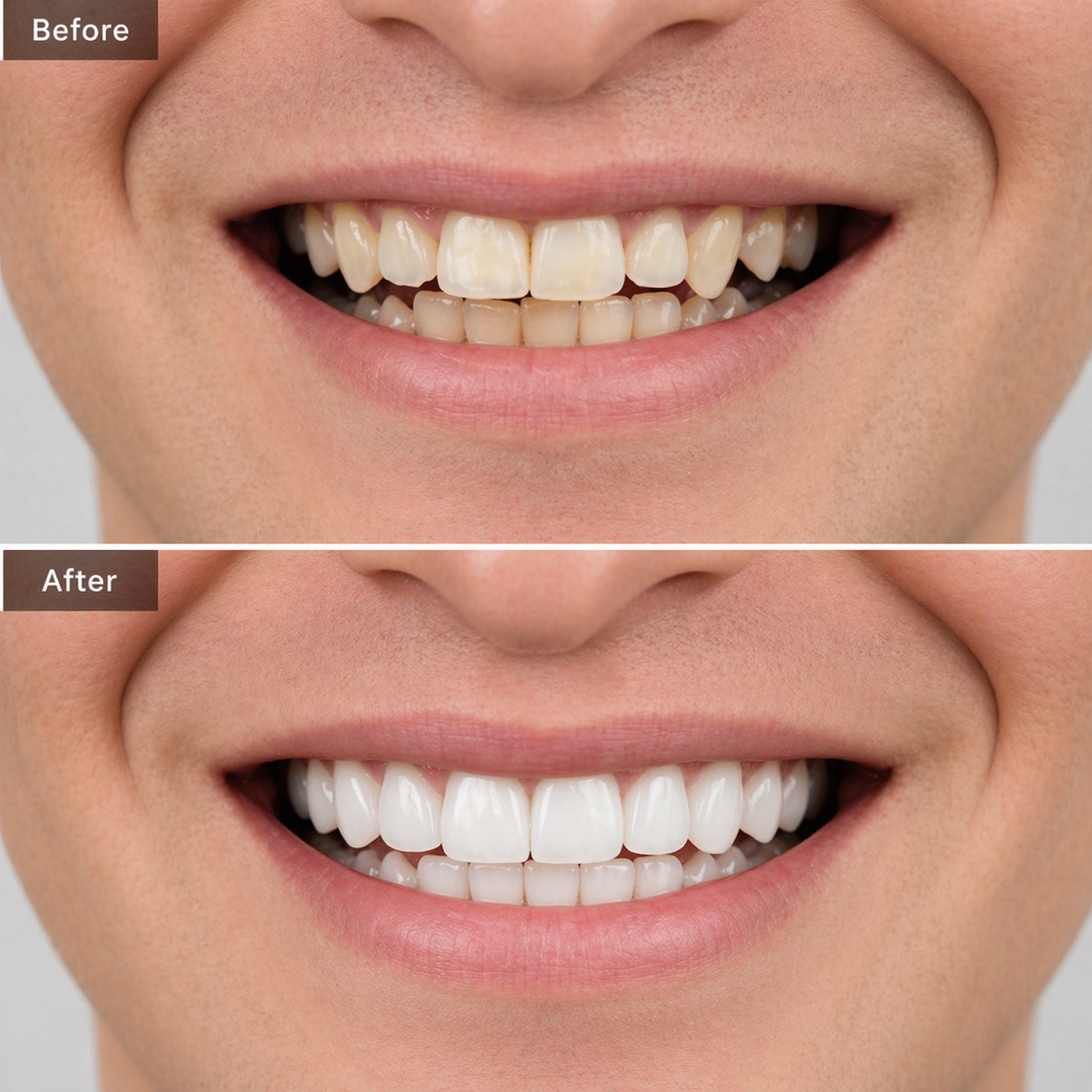
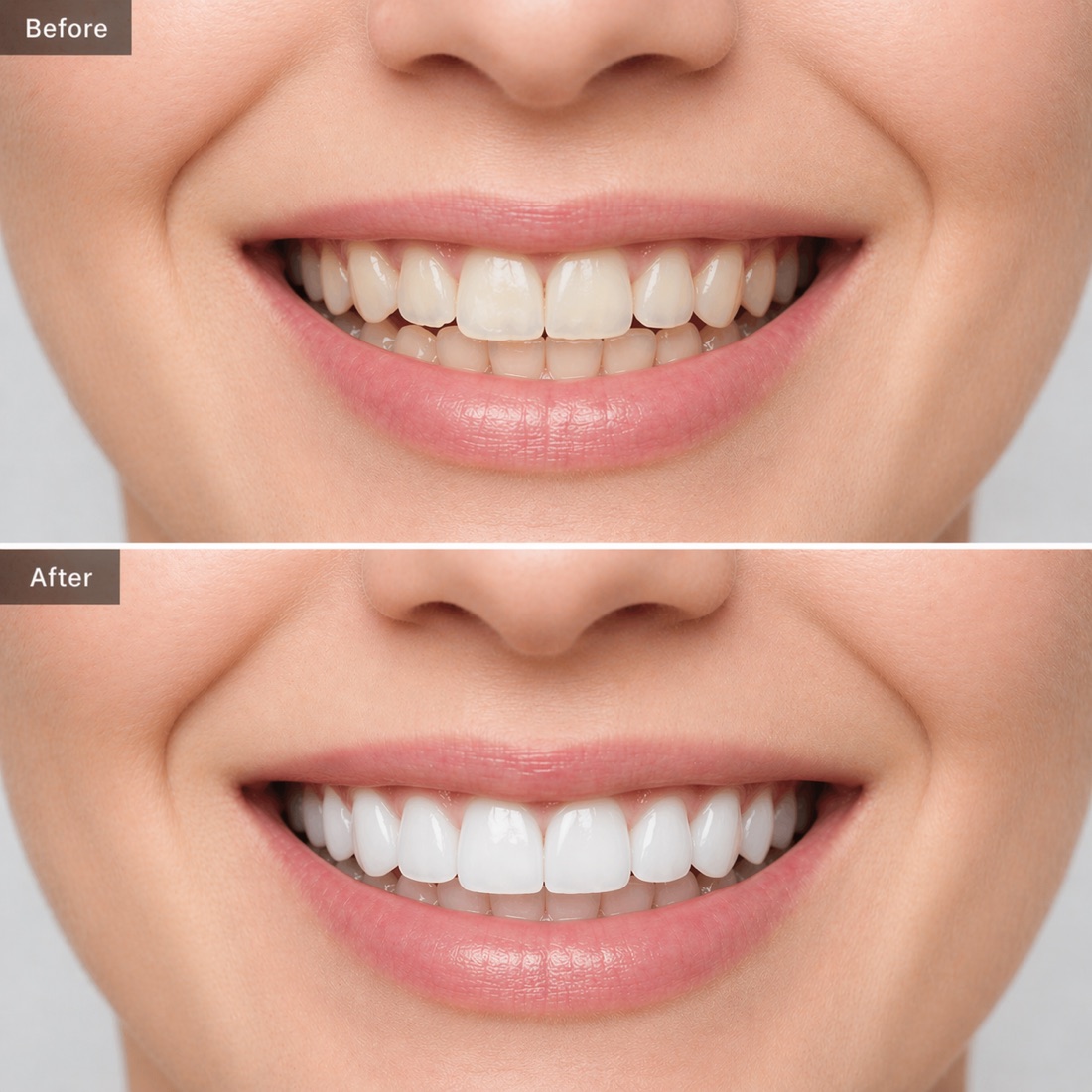
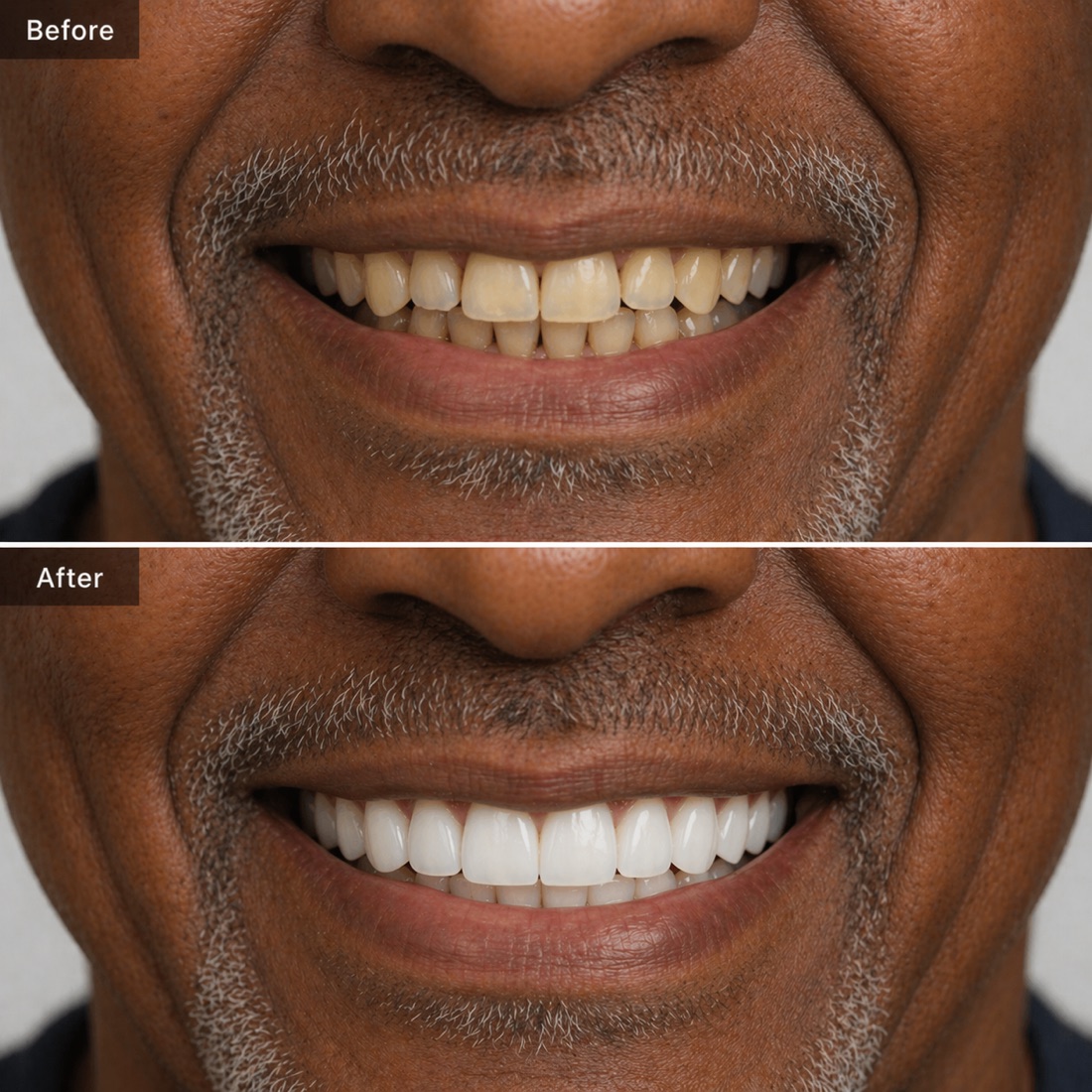
Every sedation visit starts with a specific barrier, fear, movement, or treatment length. These examples show how Fullerton families often move from postponed care to a completed plan.
Free 3D Smile Design · No Obligation
Patients and parents often mention calm explanations, smooth visits, and a team that respects real concerns.
Dental sedation is used to help patients stay relaxed during treatment when fear, movement, or sensitivity makes care difficult. It is often considered for children who struggle with routine visits, need longer procedures, or have a strong gag reflex. The dentist still performs the treatment, but the sedation helps the appointment feel more manageable and less stressful.
Dental sedation can be safe when the child is properly screened and the right method is selected. The dentist reviews medical history, current medications, and any breathing or allergy concerns before recommending treatment. Safety also depends on following pre-visit instructions and post-visit monitoring. The team should explain expected effects, recovery, and when to seek help.
Yes, families can usually start with online booking and a consultation request. The first step is making sure the practice knows the child’s age, treatment needs, and any medical concerns so the visit can be planned correctly. If sedation is appropriate, the office will guide you through preparation and next steps before treatment day.
The length of sedation depends on the method used and the amount of treatment planned. Some types wear off fairly quickly, while others can leave a child sleepy for several hours after the visit. Your dentist will tell you what to expect before the appointment, including how long supervision at home may be needed and when normal activity can resume.
Fullerton parents often choose dental sedation when a child is too anxious to cooperate, has had a hard dental experience, or needs several procedures completed in one visit. It can also help reduce the stress of repeated appointments. For families coming from nearby cities, a local Fullerton office makes it easier to coordinate treatment and follow-up care.
Pediatric Dentist Fullerton is centrally located for Northern Orange County families. Typical drive times are about 10 to 15 minutes from Brea, 10 to 20 minutes from Placentia, and about 15 to 25 minutes from Anaheim, depending on traffic. That makes sedation visits easier to schedule when a child needs a calm, familiar dental home close to home.
| Sedation type | What it includes | Time | Cost | Lifespan | Best for |
|---|---|---|---|---|---|
| Nitrous Oxide (Laughing Gas) | Mild relaxation, breathed in | Whole visit | $50 to $100 per visit | Wears off in minutes | Mild anxiety, simple procedures |
| Oral Conscious Sedation | Liquid medication | Whole visit | $150 to $300 per visit | Wears off in hours | Moderate anxiety, longer visits |
| IV Sedation | Deep relaxation via IV | Whole visit + recovery | $400 to $800 per visit | Wears off in hours | Severe anxiety, complex care |
| General Anesthesia | Hospital-grade, fully asleep | Whole visit + recovery | $800 to $2,000 per visit | Wears off, monitored | Special needs, very young children |
You came in for a dental sedation plan, but our Fullerton practice offers each service individually as well. Explore the components.
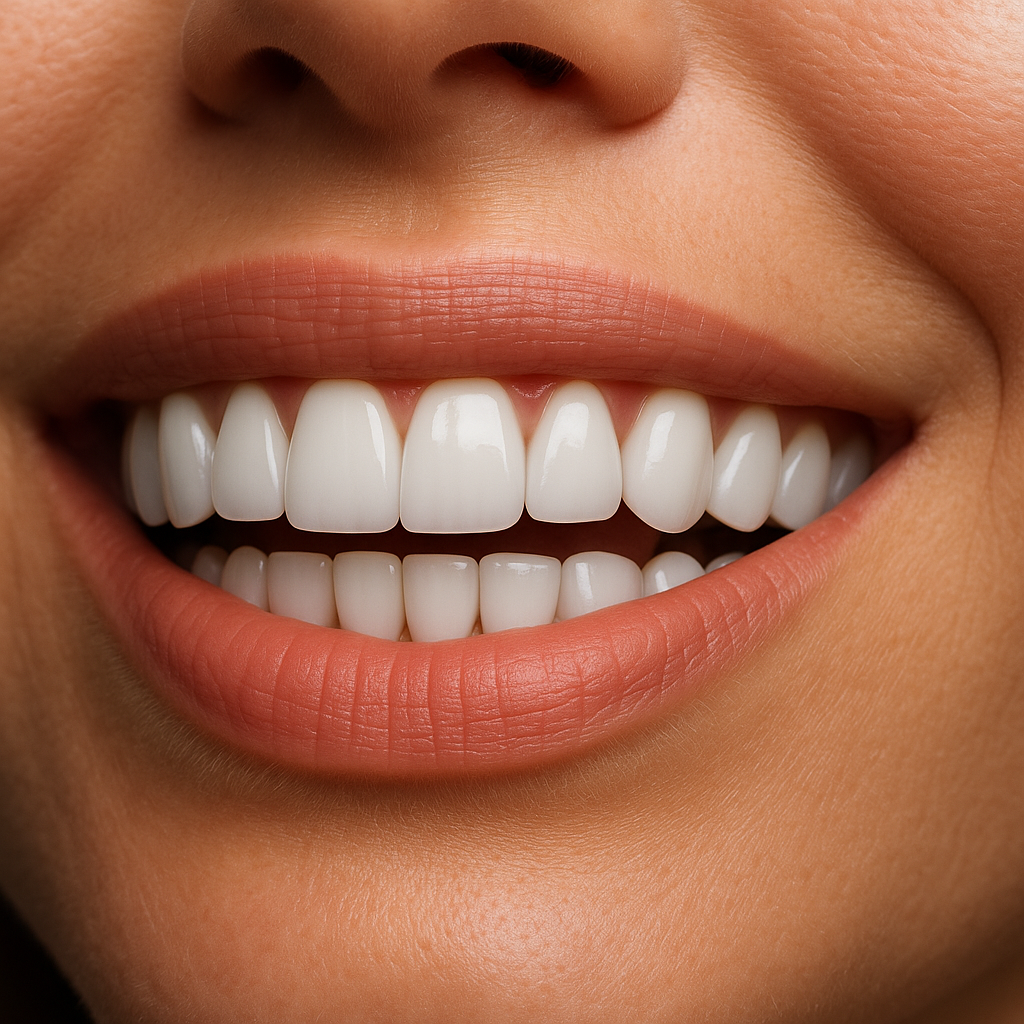
Ultra-thin porcelain shells correct chips, stains, gaps, and alignment in 2 to 3 visits.

In-office ZOOM delivers 8 shades brighter in 90 minutes. Take-home trays also available.
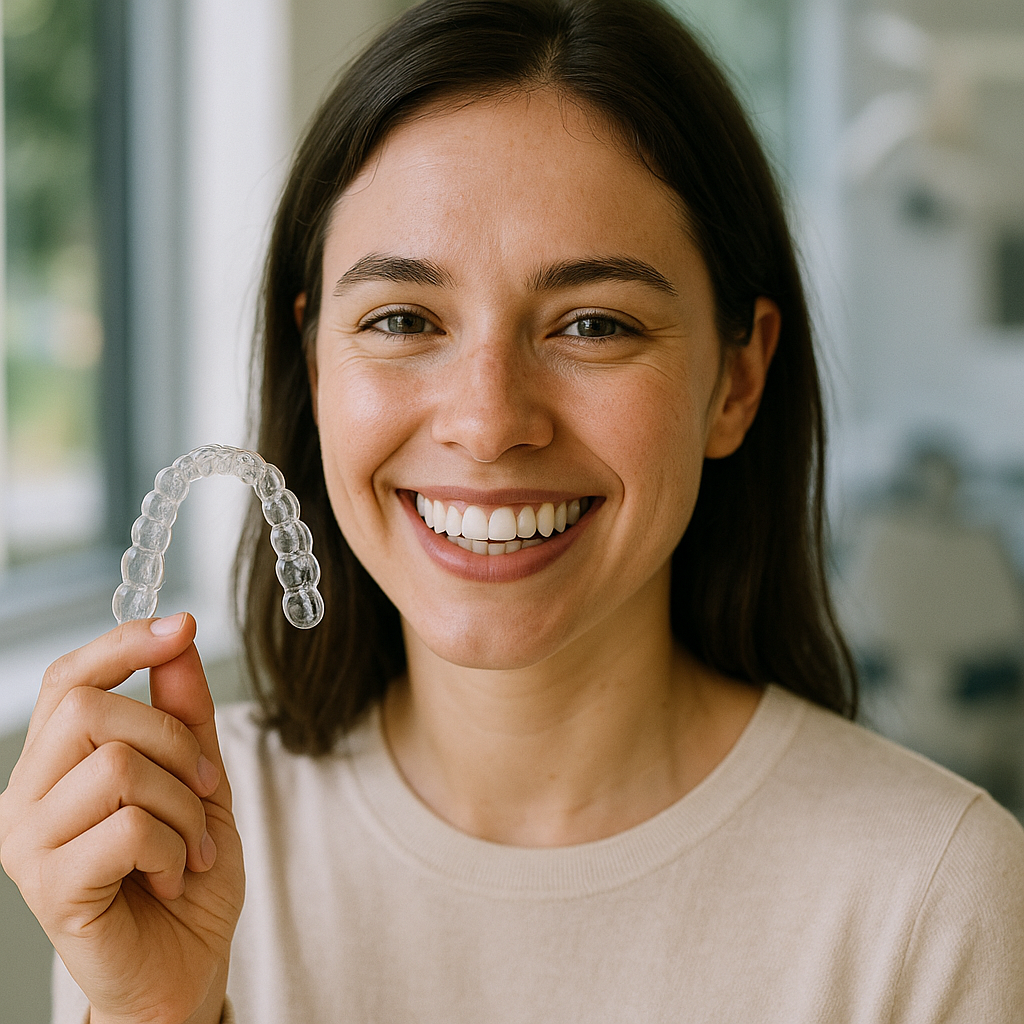
Clear removable aligners straighten teeth discreetly over 6 to 18 months, no metal.
Our experienced team has transformed 8,500+ smiles across Orange County and the surrounding areas. Each city below has its own patient guide, click to see commute times, local context, and what to expect at your visit.
Don't see your city? Give us a call, we see patients from all across Southern California.
If dental anxiety has delayed care, book online with our Fullerton team. We will review options, answer parent questions, and help you choose the next step.